
Duration
18 Days
Difficulty
Easy-Moderate
Location
"Annapurna Region"
Max. Altitude
3840 M
Best Season
Spring (March-May) and Autumn (September-November)
Accommodation
Hotel and lodges / local tea houses
Meals
During Trekking (Breakfast, lunch & dinner)
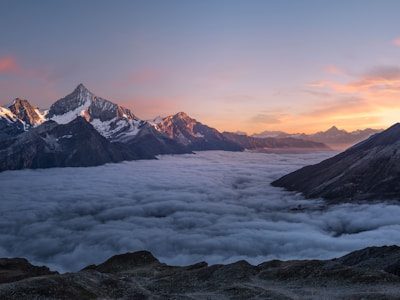
The Upper Mustang Trek, one of Nepal’s most unique and culturally rich trekking adventures, takes you into the hidden Himalayan kingdom of Mustang, a remote trans-Himalayan region bordering Tibet. This remarkable journey reaches elevations above 3,800 meters and offers breathtaking views of the Annapurna, Dhaulagiri, and Nilgiri mountain ranges. Known as the “Last Forbidden Kingdom,” Upper Mustang is famous for its dramatic desert landscapes, deep canyons, colorful cliffs, ancient caves, and centuries-old Tibetan Buddhist culture. Along the trail, trekkers pass through traditional villages, ancient monasteries, prayer walls, and the legendary walled city of Lo Manthang, the cultural heart of the region. The trek provides a rare opportunity to experience authentic Tibetan traditions, unique Himalayan lifestyles, and untouched landscapes unlike anywhere else in Nepal.
Our Upper Mustang Trek begins in Kathmandu with cultural sightseeing and trek preparation before traveling to Pokhara and flying to Jomsom, the gateway to Upper Mustang. Accommodation throughout the trek is arranged in comfortable teahouses and lodges, providing warm hospitality and local meals after each day’s adventure. An experienced trekking guide accompanies the journey, sharing valuable insights into the region’s history, culture, traditions, and landscapes. The package includes all required permits, including the restricted area permit and Annapurna Conservation Area Permit (ACAP), allowing trekkers to fully enjoy the adventure without hassle. Nutritious meals during the trek, porter support, safety equipment, and emergency arrangements are also included to ensure a safe and comfortable trekking experience. The itinerary is fully customizable and can be tailored according to trekking duration, fitness level, interests, and travel preferences. Whether you are seeking cultural exploration, Himalayan adventure, photography opportunities, or a peaceful trekking experience in Nepal’s hidden desert kingdom, the Upper Mustang Trek offers an unforgettable journey through one of the most extraordinary regions in the Himalayas.
Today is a rest and exploration day in Lo Manthang (3,840 m), the ancient walled capital of Upper Mustang, allowing time to acclimatize and fully experience the rich culture and history of this unique Himalayan kingdom. The day is spent wandering through narrow alleyways lined with whitewashed houses, visiting centuries-old monasteries such as Thubchen, Jampa, and Chode, and observing the deep-rooted Tibetan Buddhist traditions that still shape daily life in the region. Trekkers may also explore the royal palace, interact with local villagers, or take short hikes to nearby viewpoints that offer panoramic views of the vast arid valleys and distant snow-capped peaks surrounding Lo Manthang; this relaxed day focuses on cultural immersion, light walking, and altitude adjustment rather than distance or trekking duration, making it an essential and enriching pause in the Upper Mustang journey.
Today marks the departure from Kathmandu (1,400 m), bringing your Himalayan journey to a close as you transfer from the hotel to Tribhuvan International Airport for your onward flight. After breakfast and final preparations, you will be assisted with airport transfer, passing through the lively streets of Kathmandu one last time. Depending on your flight schedule, there may be a short moment to reflect on the trekking experience, cultural encounters, and unforgettable mountain landscapes of Nepal. This departure day is focused on smooth transfer and international check-in, ensuring a comfortable and hassle-free end to your Upper Mustang adventure.
Today is a rest day in Kathmandu (1,400 m), allowing time to relax and recover after the trekking journey while exploring the cultural and historical highlights of the capital city. The day can be spent visiting UNESCO World Heritage Sites such as Swayambhunath (Monkey Temple), Boudhanath Stupa, or Pashupatinath Temple, each offering a deep insight into Nepal’s spiritual traditions and rich heritage. Alternatively, travelers may enjoy leisure time in Thamel, exploring local markets, cafes, and souvenir shops, or simply resting at the hotel. This flexible day focuses on relaxation, light sightseeing, and cultural exploration, making it a perfect conclusion to the Himalayan adventure before departure.
The journey from Pokhara to Kathmandu (1,400 m) continues with a short scenic flight, offering a quick and comfortable transition between Nepal’s two major cities. After breakfast and transfer to the airport, the flight takes you above rolling green hills, river valleys, and distant Himalayan ranges, providing a beautiful aerial view of the country’s diverse landscapes in just a short time. On clear days, passengers can enjoy glimpses of snow-capped peaks before descending into the Kathmandu Valley, where the bustling capital comes into view surrounded by hills. This flight typically takes around 25–30 minutes, making it the fastest and most convenient way to return to Kathmandu while enjoying stunning mountain scenery from above.
Today's journey continues by drive toward Pokhara (822 m), following the dramatic Kali Gandaki Valley through one of Nepal’s most scenic overland routes. The road descends steadily along rugged mountain terrain, passing through wind-swept cliffs, traditional Thakali villages, apple orchards, and suspension bridges over the Kali Gandaki River. Along the way, travelers enjoy spectacular views of Nilgiri, Dhaulagiri, and Annapurna ranges while gradually moving from the dry trans-Himalayan landscape into greener mid-hills. The drive includes a mix of rough mountain roads and smoother highway sections after Beni, making it a long but visually rewarding journey; this section covers approximately 180–190 km and takes around 8–10 hours depending on road conditions, ending in the peaceful lakeside city of Pokhara.
Leaving Chhoksang after breakfast, the trail gradually descends toward Jomsom (2,720 m), marking the final walking section of the Upper Mustang journey as the landscape opens into the wider Kali Gandaki Valley. The route follows a mix of rocky paths, riverbanks, and wind-swept desert terrain before gradually transitioning into more developed settlements and greener surroundings as you approach Jomsom. Along the way, trekkers pass traditional villages, suspension bridges over the Kali Gandaki River, and distant views of Nilgiri and Dhaulagiri peaks that dominate the horizon, offering a dramatic farewell to the Mustang region; this section covers approximately 12–15 km, takes around 5–6 hours, and involves a steady descent, making it a long but comfortable concluding trekking day.
Today’s route heads toward Chhoksang (3,050 m), beginning with a gradual descent from the high ridges of Upper Mustang into its deeper valleys and river-cut landscapes. The trail winds through a striking mix of barren cliffs, eroded rock formations, and wide open desert terrain shaped by wind and time, offering continuous views of the rugged Himalayan backdrop. As the path descends, trekkers pass scattered chortens, ancient mani walls, and small traditional settlements that reflect the strong Tibetan Buddhist culture of the region, while the environment slowly transitions from high-altitude desert to more fertile valley surroundings near Chhoksang; this section covers roughly 10–12 km, takes about 4–5 hours, and involves a descent of around 750 meters, making it a steady and visually diverse trekking day.
After breakfast in Dhakmar, the trail continues toward Syanboche (3,800 m), gradually leaving behind the dramatic red cliffs and entering the vast, open high-altitude desert of Upper Mustang. The route begins with a steady climb before easing into long stretches of undulating terrain, crossing wind-swept ridgelines, dry riverbeds, and ancient footpaths shaped by centuries of trade and pilgrimage. Along the way, trekkers pass isolated chortens, prayer flag-draped passes, and small seasonal settlements that reflect the strong Tibetan Buddhist culture of the region, while the landscape alternates between rugged cliffs and expansive barren plateaus with distant Himalayan views; this section covers approximately 10–12 km, takes around 5–6 hours, and involves a gentle elevation gain of about 20 meters, offering a peaceful and visually striking trekking day.
Leaving Lo Manthang, the trail continues toward Dhakmar (3,820 m), gradually exiting the walled city and entering a striking landscape of deep red cliffs, wind-sculpted canyons, and wide barren valleys that define Upper Mustang’s dramatic terrain. The route initially descends and then follows a series of gentle ascents and undulating paths across high desert plateaus, offering constant views of rugged rock formations and distant Himalayan peaks. Along the way, trekkers pass ancient caves, isolated chortens, and prayer-flag-covered ridgelines that reflect the strong Tibetan Buddhist heritage of the region, while the scenery becomes increasingly vibrant as the famous red cliffs of Dhakmar come into view; this section covers approximately 10–12 km, takes around 5–6 hours, and involves a slight elevation gain of about 20 meters, making it a scenic and culturally rich trekking day.
Upon your arrival at Kathmandu (1,400 m), our representative will warmly welcome you at the international airport and transfer you to your hotel. After check-in, you can relax and recover from your journey or explore the lively streets of Thamel.
Starting from Charang, today’s journey leads toward Lo Manthang (3,840 m), the legendary walled city of Upper Mustang, crossing some of the most open and dramatic terrain of the entire region. The trail gradually ascends through vast wind-swept valleys, dry ridgelines, and eroded desert landscapes that reveal sweeping views of the Himalayas in the distance. Along the way, trekkers pass isolated chortens, ancient mani walls, and small seasonal settlements that highlight the deep-rooted Tibetan Buddhist culture of this hidden kingdom. The route alternates between gentle climbs and long flat stretches across high-altitude desert before the white walls of Lo Manthang finally come into view on the horizon; this section covers around 10–12 km, takes approximately 5–6 hours, and includes an elevation gain of about 280 meters, making it a scenic and highly rewarding approach to the capital of Upper Mustang.
Leaving Ghami behind, the trail continues toward Charang (3,560 m), gradually entering deeper into the remote heart of Upper Mustang where vast arid valleys, sculpted red cliffs, and ancient canyon formations dominate the scenery. The path follows a historic route dotted with long mani walls, prayer flags, and traditional settlements that reflect the strong Tibetan Buddhist heritage preserved in this high-altitude desert region. Trekkers experience a steady and comfortable walk with mild ups and downs across open landscapes and riverbeds before reaching the culturally important village of Charang, known for its ancient monastery and fortress ruins; this section covers approximately 8–10 km, takes around 4–5 hours, and involves a slight elevation gain of about 40 meters, offering a calm and culturally immersive trekking day.
Today’s journey begins from Syanboche (3,800 m) as the trail gently descends toward Ghami (3,520 m), passing through one of the most scenic sections of Upper Mustang where arid cliffs, deep canyons, and wide valley landscapes shaped by wind and time dominate the surroundings. Along the way, trekkers move through traditional Mustang villages, long mani walls carved with Buddhist prayers, and fluttering prayer flags that reflect the strong Tibetan-influenced culture of the region, while the route combines gradual descents with short rolling sections before arriving at the historic village of Ghami, one of the largest settlements in Upper Mustang; this stretch covers approximately 9–11 km, takes around 4–5 hours, and involves a descent of about 280 meters, making it a relatively easier and more relaxed trekking day.
From Tchaile (3,050 m), today’s trail gradually climbs northward toward Syanboche (3,800 m), entering deeper into the dramatic landscapes of Upper Mustang. The route winds through dry riverbeds, wind-carved cliffs, and ancient settlements that reflect strong Tibetan cultural influence. Trekkers will experience a mix of steady ascents and occasional descents while moving across high desert terrain framed by distant Himalayan peaks. Along the way, you’ll encounter traditional Mustang villages, fluttering prayer flags, and historic chortens that add spiritual character to the journey. The scenery becomes increasingly remote and rugged, showcasing the raw beauty of this rain-shadow region. The day covers roughly 10–12 km and takes about 5–6 hours, with a total ascent of around 750 meters.
After Breakfast, the trek begins from Kagbeni (2,810 m) and follows the ancient trail into the restricted Upper Mustang region toward Tchaile (Chele) at 3,050 meters. The route passes through dramatic desert landscapes, colorful cliffs, narrow canyons, and traditional Tibetan-influenced villages while following the Kali Gandaki River valley. Along the way, trekkers can enjoy stunning mountain scenery and experience the unique culture of the Mustang region. The trek covers approximately 14–15 km and takes around 6–7 hours to complete, with a gradual altitude gain of 240 meters.
Today, you will take an adventurous drive from Pokhara to Jomsom (2,720 m) through the scenic Kali Gandaki River valley, passing traditional villages, waterfalls, and dramatic mountain landscapes. After arriving in Jomsom, the trek continues toward Kagbeni (2,810 m), a beautiful medieval village and the gateway to Upper Mustang. The trek covers approximately 10 km and takes around 3–4 hours through dry Himalayan terrain and traditional settlements. The day involves a total driving distance of approximately 155 km with 7–9 hours of driving and an altitude gain of 1,988 meters from Pokhara to Kagbeni.
Today, you will either take a scenic drive or a short domestic flight from Kathmandu (1,400 m) to Pokhara (822 m), the beautiful gateway to the Annapurna region. The drive covers approximately 200 km and takes around 6–8 hours through picturesque hills, rivers, terraced fields, and traditional villages along the Prithvi Highway, while the optional flight takes about 25 minutes and offers stunning aerial views of the Himalayas. Upon arrival in Pokhara, you can relax and enjoy the peaceful lakeside atmosphere before the start of your Upper Mustang adventure. The day involves an altitude loss of 578 meters.
After breakfast, enjoy a guided sightseeing tour around the cultural highlights of Kathmandu, including famous UNESCO World Heritage Sites such as Swayambhunath Stupa, Boudhanath Stupa, and Pashupatinath Temple. This tour offers a wonderful opportunity to experience Nepal’s rich history, art, culture, and spiritual heritage before starting the trek. After sightseeing, return to the hotel for trek preparation, permit arrangements, equipment checking, and a detailed briefing with your trekking guide regarding the upcoming Upper Mustang Trek.
The Upper Mustang trekking package can be customised to suit your preferences, including itinerary, duration, budget, and comfort level, ensuring a flexible and personalized travel experience.
Restricted Area Permit (RAP)
The Upper Mustang region is a highly protected and restricted trekking area in Nepal, so all trekkers must obtain a Restricted Area Permit (RAP). This permit is mandatory and can only be issued through a registered trekking agency with a licensed guide. The cost is USD 50 per person per day. This fee helps preserve the fragile culture, environment, and heritage of the “Last Forbidden Kingdom.”
No economic pricing available.
No deluxe pricing available.
Be the first to share your experience!

The Upper Mustang Trek is located in the restricted trans-Himalayan region of northwestern Nepal, bordering Tibet, and lies within the Annapurna Conservation Area.
Upper Mustang was restricted to foreigners until 1992, and its isolated geography and preserved Tibetan culture earned it the name “Last Forbidden Kingdom.”
The trek is considered moderate. It does not involve extreme technical climbing but requires good fitness due to long walking days and high-altitude terrain.
The highest point is usually around Lo Manthang (3,840 m), the ancient walled capital of Upper Mustang.
Typically, the trek takes 14 to 18 days, depending on itinerary, acclimatization, and travel mode (flight or drive).
You need a Restricted Area Permit (RAP), Annapurna Conservation Area Permit (ACAP), and TIMS card is usually not required for restricted areas.
Yes, beginners with good fitness can do it, as it is a non-technical trek with gradual altitude gain.
Basic teahouses and lodges are available, offering simple rooms, local meals, and basic facilities.
Unlike green Himalayan trails, Upper Mustang features a desert-like landscape, ancient caves, and strong Tibetan Buddhist culture.
The risk is moderate. Proper acclimatization, hydration, and gradual ascent help reduce altitude sickness.
Limited connectivity is available in some villages, but it is weak and unreliable in most remote sections of the trek.
Our Travel Experts
Chat directly with our team for personalized recommendations and group discounts.

David M.
Senior Guide

Sarah C.
Trek Expert

Michael T.
Support Lead
We're proud to have helped countless adventurers create memories that last a lifetime. Read their stories of discovery, trust, and joy, and see why we're the go-to choice for travelers worldwide. Your next adventure could be your best one yet just like it was for them.